Dreamy Watercolor Wedding Suite II Review
As a designer who has spent years navigating the delicate balance between digital art and physical thread, I approach every new asset with a critical eye. The market is flooded with generic patterns, so finding a machine embroidery design that truly captures a mood without compromising stitch integrity is rare. When I first opened the files for Dreamy Watercolor Wedding Suite II, my initial reaction was one of cautious optimism. The aesthetic is undeniably romantic, leaning heavily into soft gradients and organic shapes that mimic actual watercolor paint on paper. However, the real test isn't how it looks on a screen; it is how it translates when stitched onto fabric for a client or a small shop product.
The Visual Mood and Design Intent
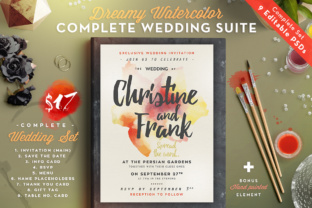
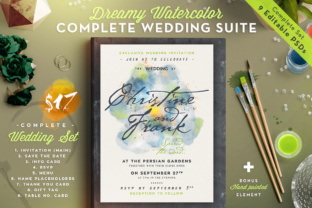
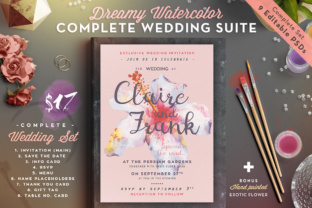
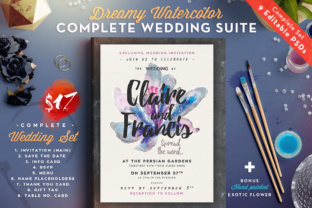
Dreamy Watercolor Wedding Suite II immediately establishes a specific atmosphere: ethereal, gentle, and timeless. Unlike rigid geometric patterns or heavy floral arrangements, this suite relies on the illusion of fluidity. In the context of Print Templates and digital assets, the design promises a look that feels hand-painted. For an Etsy seller or a boutique owner looking to elevate their brand, this visual personality is a strong selling point. It suggests luxury and care, qualities that customers associate with high-end wedding gifts and personalized keepsakes.
However, translating a watercolor effect into thread requires a sophisticated understanding of stitch density and fill stitch techniques. The design appears to use varying densities to create the "wet-on-wet" look of watercolors. If executed poorly, these areas can become muddy or lose definition. As I reviewed the layout, I noted that the shapes are organic and free-flowing, which means they will not work well on structured garments like stiff dress shirts unless carefully placed. Instead, they naturally belong on softer substrates where the drape of the fabric complements the softness of the design.
Real-World Application: A Custom Tote Bag Scenario
To truly evaluate Dreamy Watercolor Wedding Suite II, I imagined a real-life project: creating a custom embroidered tote bag for a bride-to-be as a bridal shower gift. This is a staple item for many craft business owners. The challenge here is that tote bags are often made of canvas, a textured fabric that can interfere with fine details. When I mentally mapped the design onto a 5x7 inch hoop size, the large, sweeping curves of the watercolor elements looked promising. They would likely cover the texture of the canvas well, using thread colors in pastel pinks, blues, and lavenders to create depth.
In this scenario, the design serves as a focal point rather than a background element. Placing it on the front panel of the tote, perhaps accompanied by a simple monogram in a contrasting font, creates a balanced composition. The finished product would feel substantial yet delicate. Customers buying such items are often looking for something unique that mass-market retailers cannot offer. The handmade product value is elevated because the embroidery adds a tactile dimension that a printed image simply cannot achieve. The soft edges of the watercolor style soften the utilitarian nature of the tote bag, making it feel more like an accessory and less like a grocery carrier.
Navigating Fabric and Hoop Challenges
While the design is beautiful, there are specific situations where Dreamy Watercolor Wedding Suite II requires careful handling. One major consideration is the fabric texture. On highly textured fabrics like terry cloth or thick denim, the subtle gradients of the watercolor effect might get lost. The embroidery file needs enough contrast to stand out against the weave of the material. Similarly, on stretchy fabrics like jersey knit used for sweatshirt embroidery, the design must be stabilized correctly. Without the right stabilizer, the tension from the fill stitch could cause the fabric to pucker, distorting the organic shapes that define the suite's character.
Another critical area is the scale. While the design works beautifully on larger surfaces like pillow covers or aprons, shrinking it down for a cap or a small patch could be problematic. The intricate blending of colors relies on space to breathe. If you attempt to fit this design into a tiny hoop, the running stitch outlines may become indistinguishable, and the color transitions could turn into a solid block of thread. For baby embroidery items, such as a onesie, the design should be kept away from seams and elastic bands to prevent stretching. Always check the minimum recommended hoop size before committing to a project, especially if you are working with thin fabrics that are prone to tearing under needle pressure.
Commercial Viability and Brand Consistency
For those running a small shop product line or selling commercial embroidery services, consistency is key. Dreamy Watercolor Wedding Suite II offers a cohesive look that can anchor a collection. Imagine a series of wedding-related items: napkins, guest books, and favors, all featuring variations of this suite. This creates a recognizable brand identity for your business. Clients appreciate when a vendor understands their vision and can deliver a unified aesthetic across multiple items.
However, the commercial viability also depends on the clarity of the final stitch. Buyers expect professional results. If the stitch density is too high in certain areas, it might cause thread breakage during production, leading to wasted time and materials. Conversely, if it is too low, the design may look sparse and unfinished. Before launching a product line, it is essential to run test stitches on scrap fabric that matches your intended end-use material. Check the thread colors against both light and dark backgrounds. A design that looks stunning on white linen might disappear entirely on navy blue velvet without significant adjustments to the digitization.
Practical Designer Notes for Success
Before integrating Dreamy Watercolor Wedding Suite II into your workflow, consider these practical steps to ensure the best outcome:
- Test on Scrap Fabric: Never skip the test run. Stitch the design on a piece of the actual fabric you plan to use to check for puckering, registration issues, and color accuracy.
- Verify Licensing: Ensure you have the correct license for your intended use. Whether you are selling the digital embroidery file itself or the finished product, confirm that the terms allow for commercial sales.
- Check Stabilizer Needs: Given the potential for dense fill areas, use a cutaway stabilizer for stretchy fabrics and a tear-away for woven goods to maintain the design's shape.
- Review Color Contrast: Use a printable mockup to visualize how the design will look on different colored fabrics. Adjust thread shades if necessary to maintain the watercolor illusion.
- Inspect Small Details: Zoom in on the digital preview to ensure no tiny lines or gaps exist that could cause stitching errors.
- Consider Washing Durability: For items like kitchen towels or baby clothes that will be washed frequently, ensure the stitch density is tight enough to prevent unraveling over time.
Final Thoughts on Value and Execution
Dreamy Watercolor Wedding Suite II is a powerful asset for designers who understand the nuances of translating digital art into thread. It excels in creating emotional connections through its soft, romantic aesthetic, making it ideal for weddings, baby showers, and personalized gifts. However, its success hinges on the maker's ability to manage fabric choices, stabilization, and scale. When used correctly, it transforms ordinary items into cherished heirlooms, adding significant value to any handmade presentation.
Whether you are a hobbyist creating a holiday gift or a professional building a craft business, this design offers a unique opportunity to showcase skill and creativity. By respecting the limitations of the medium and testing thoroughly, you can ensure that the dreamy quality of the design survives the transition from screen to stitch. The result is a custom apparel or home decor piece that feels both modern and timeless, perfectly suited for the discerning customer seeking something special.